Archives
- 2026-10
- 2026-09
- 2026-08
- 2026-07
- 2026-06
- 2026-05
- 2026-04
- 2026-03
- 2026-02
- 2026-01
- 2025-12
- 2025-11
- 2025-10
- 2025-09
- 2025-03
- 2025-02
- 2025-01
- 2024-12
- 2024-11
- 2024-10
- 2024-09
- 2024-08
- 2024-07
- 2024-06
- 2024-05
- 2024-04
- 2024-03
- 2024-02
- 2024-01
- 2023-12
- 2023-11
- 2023-10
- 2023-09
- 2023-08
- 2023-07
- 2023-06
- 2023-05
- 2023-04
- 2023-03
- 2023-02
- 2023-01
- 2022-12
- 2022-11
- 2022-10
- 2022-09
- 2022-08
- 2022-07
- 2022-06
- 2022-05
- 2022-04
- 2022-03
- 2022-02
- 2022-01
-
While the specific set of challenges associated with
2022-03-28

While the specific set of challenges associated with deorphanization and transforming each poorly characterized GPCR into a useful drug target will be unique, much can be learned by considering how these issues have been addressed for other receptors. One group of poorly characterized GPCRs that hav
-
PBI is an agonist of GPR and acts as an
2022-03-28
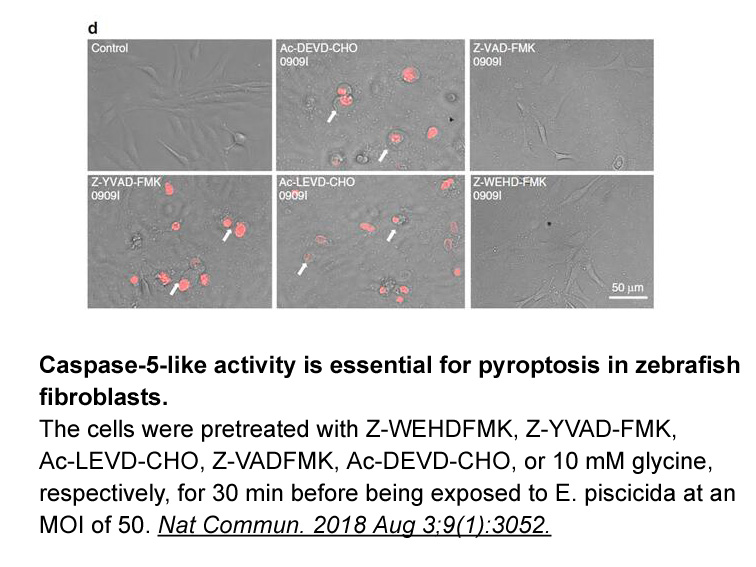
PBI-4050 is an agonist of GPR40 and acts as an antagonist or inverse agonist of GPR84. It cannot be excluded that other targets besides GPR40 and GPR84 could be implicated in the mechanism of action of PBI-4050 and could be explored in future studies. However, the present study, and in particular th
-
In conclusion this is the
2022-03-28
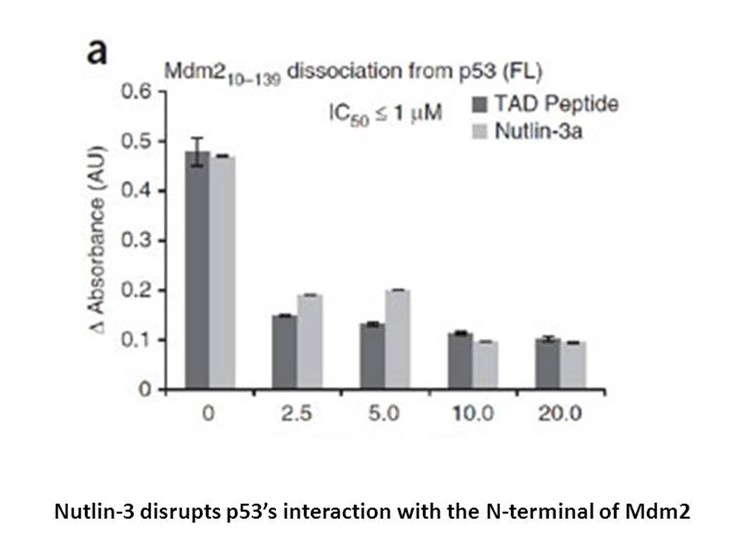
In conclusion, this is the first description of a GPR81 agonist with an ability to exert in vivo efficacy without causing flushing. These results demonstrate that GPR81 small-molecule agonists may be effective for treating dyslipidemia. In addition, targeting GPR81 could prevent the unwanted side ef
-
Based on the precedent with
2022-03-28
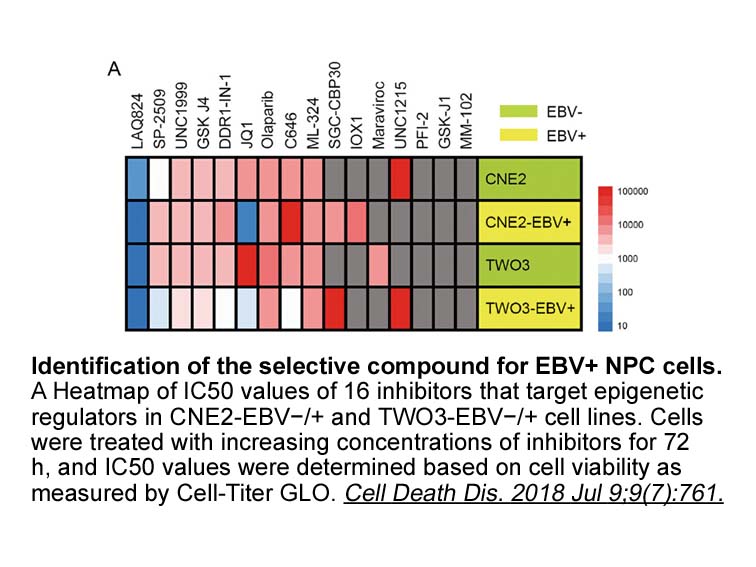
Based on the precedent with other GlyT1 inhibitors such as , we evaluated both and for their ability to enhance prepulse inhibition (PPI) of the rodent acoustic startle response, a measure of sensorimotor gating known to be deficient in schizophrenic patients., In this cpi-613 study (), both an
-
In this study we provide biochemical and immunohistochemical
2022-03-28
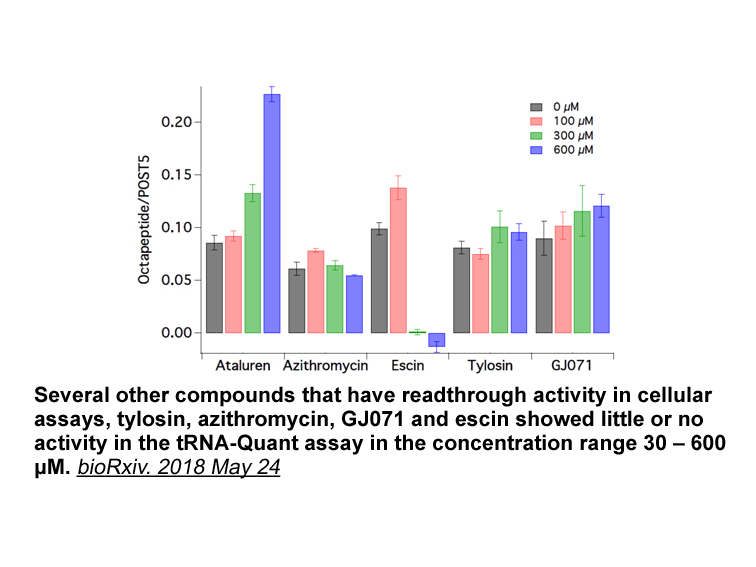
In this study we provide biochemical and immunohistochemical evidence for the localization of the glycine transporter GLYT1 in synaptic vesicles. Previously, it was thought that GLYT1 was exclusively a glial protein (Zafra et al., 1995a). However, due to a partial discrepancy between mRNA and protei
-
br MUTYH associated polyposis br MUTYH and its metal cofacto
2022-03-28
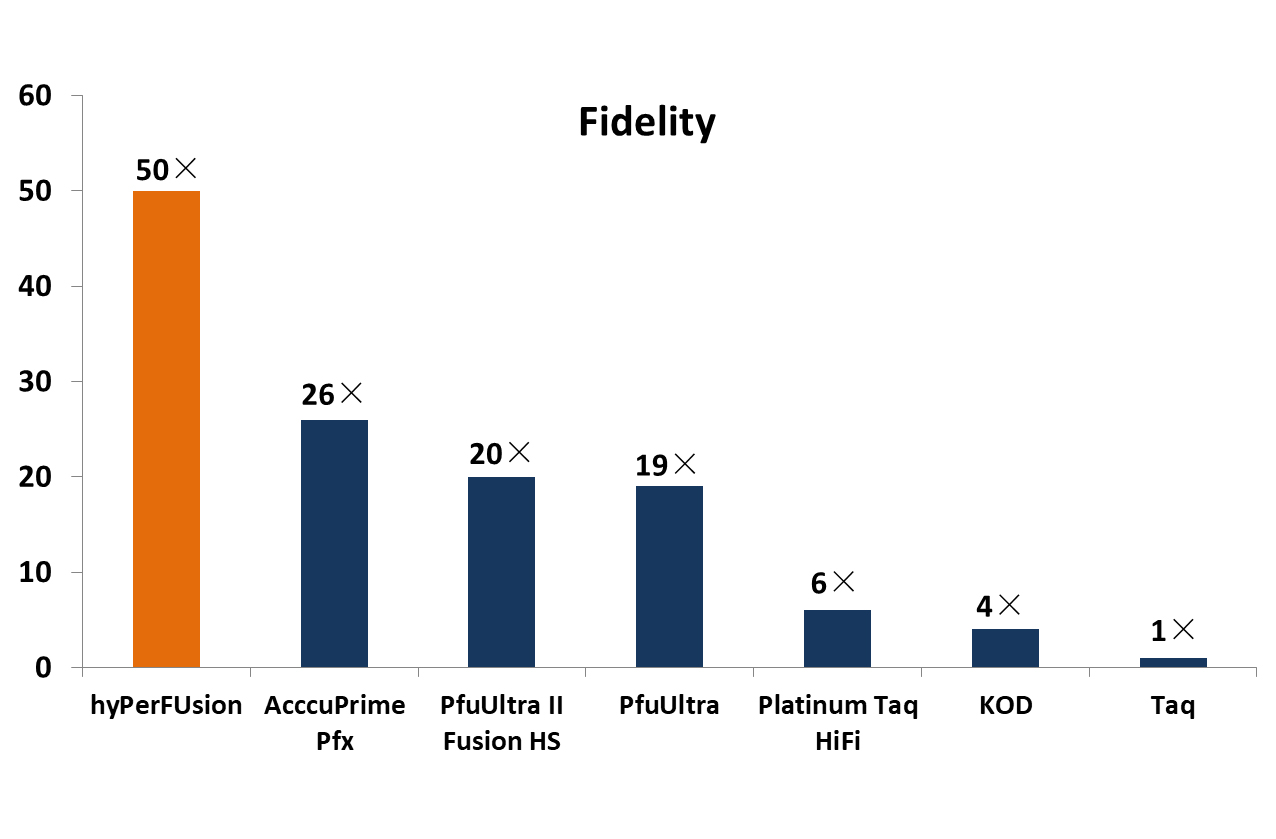
MUTYH-associated polyposis MUTYH and its metal cofactors MUTYH harbors two vital cofactors, both of which are located remotely from the active site (Fig. 6). One of these cofactors, a [4Fe-4S]2+(Fe-S) cluster, is chelated by four Cys residues in the N-terminal domain, and positions an Fe-S clu
-
The aims of the present study were to
2022-03-28
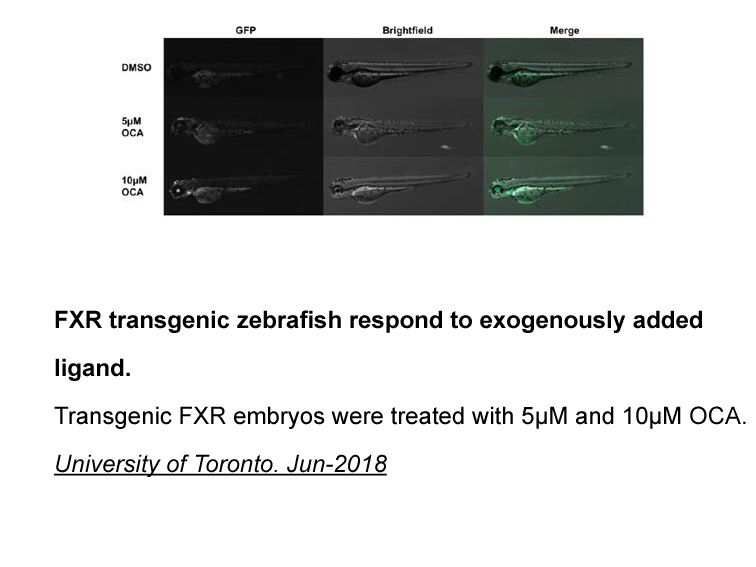
The aims of the present study were to further investigate the localisation of glycine and GABAA receptors on individual neurons and how closely these two receptor types were associated with each other by carrying out double immunofluorescent labelling and imaged using confocal laser scanning microsc
-
Introduction Adaptations in the metabolism of cancers contri
2022-03-28

Introduction Adaptations in the metabolism of cancers contribute to tumor survival and growth and present opportunities to develop novel therapeutic strategies (Kelloff et al., 2005, Som et al., 1980). In particular, glutamine metabolism plays such an important role in cancer growth that a phenomen
-
The HH Gli pathway has been
2022-03-26
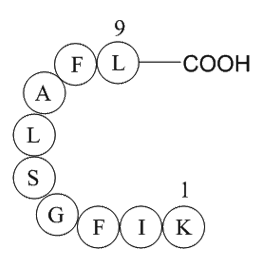
The HH-Gli pathway has been demonstrated to play an extensive role in skeletal development. India Hedgehog, derived from hypertrophic chondrocytes, and Parathyroid Hormone-like related Protein (PTHrP), derived from peri-articular chondrocytes, form a negative feedback loop to inhibit chondrocyte hyp
-
Ability of D Ala GIP to
2022-03-26
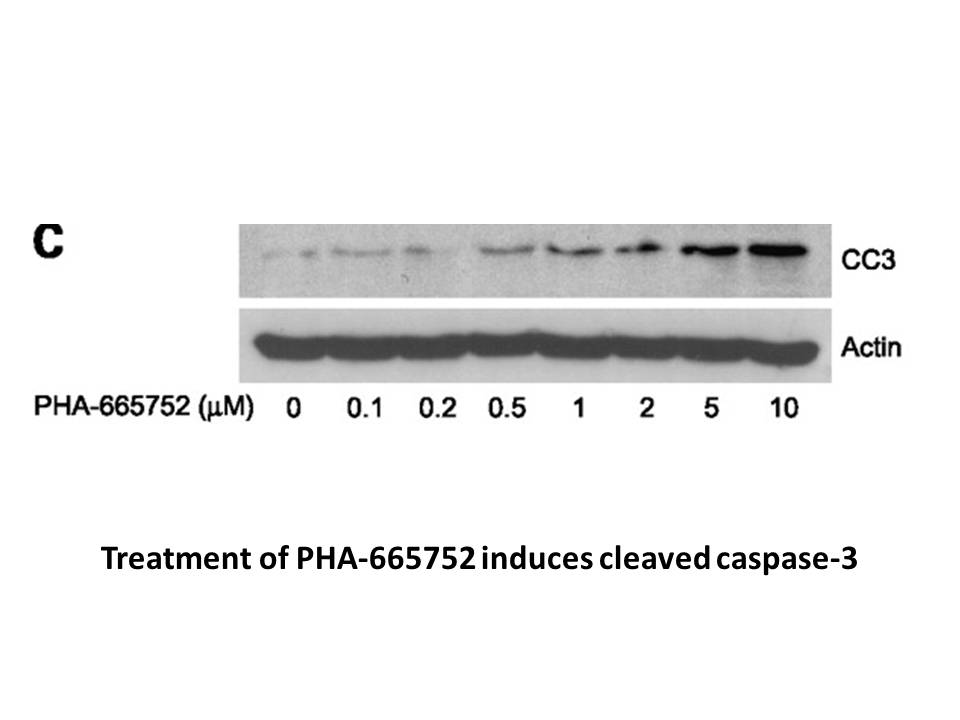
Ability of D-Ala2GIP to attenuate the neurobehavioral sequelae in QA-induced Huntington's disease model by reduction in lipid peroxidation, restoration of endogenous antioxidants and decreased striatal monoamine levels is of potential interest. Considerable preclinical evidence now exists of the po
-
Albumin is the major carrier of free
2022-03-26

Albumin is the major carrier of free fatty acids (FFAs) in plasma [59], and harbours seven binding sites that are common to FFAs with a range of chain-lengths (C10-C18) across its three domains (Fig. 1a) [60,61]. In vitro, saturated, mono- and poly-unsaturated FFAs, with chain lengths ranging from C
-
The typical pharmacophore for GPR agonists contains four
2022-03-26
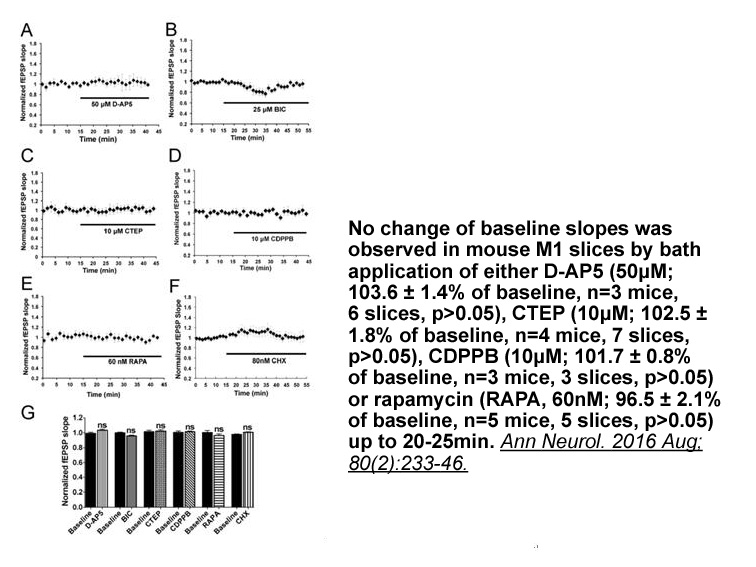
The typical pharmacophore for GPR40 agonists contains four parts: head (acid moiety), central (phenyl ring), linker and tail (aromatic carbocyclic or heterocyclic ring) [20]. On the other hand, the chemical features that are required for the PPARγ agonists include hydrogen bond donors and acceptors
-
Corresponding to the different insulinotropic signaling the
2022-03-26
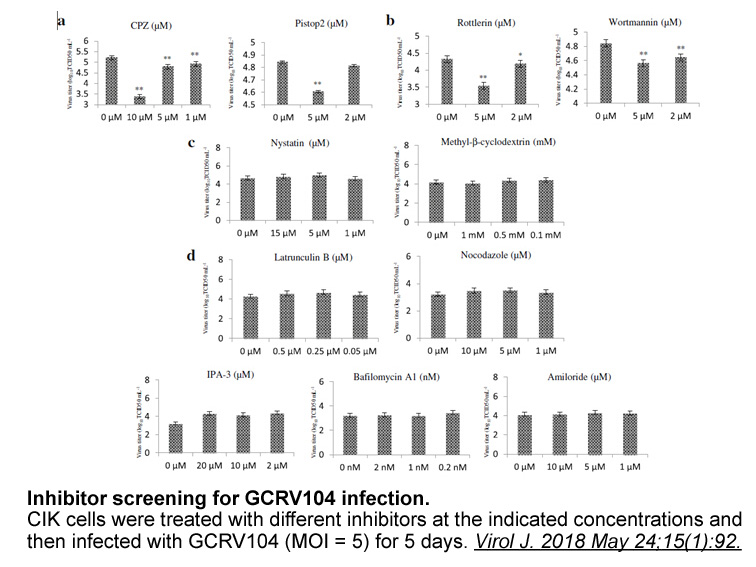
Corresponding to the different insulinotropic signaling, the competitive radioligand-binding studies demonstrated at least 3 distinct 1,2-Dilauroyl-sn-glycerol on GPR40: orthosteric binding site for endogenous ligands, allosteric binding site for partial agonists and another allosteric binding site
-
Attractively existing reports suggest that cellular ferropto
2022-03-26
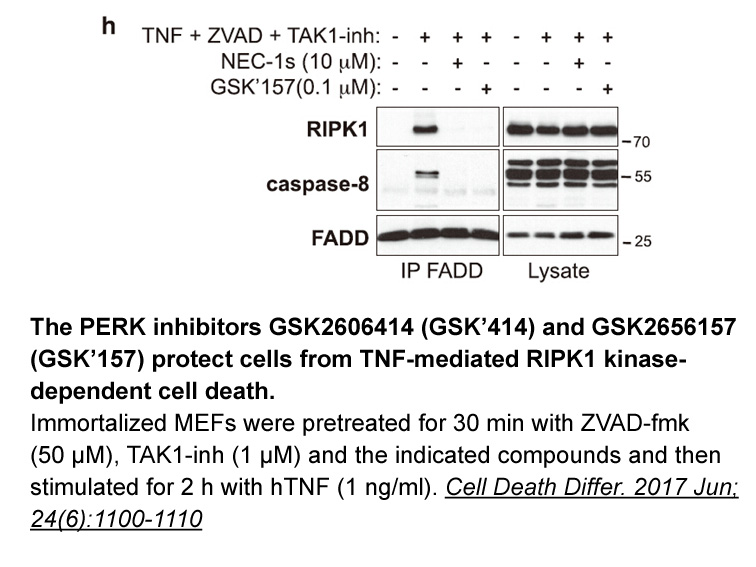
Attractively, existing reports suggest that cellular ferroptosis also probably plays vital role in liver fibrosis [[62], [63], [64]]. Carlson BA et al. illuminated that the ferroptosis regulator GPX4 was important for hepatocyte survival and proper liver function [62]. Sun X et al. showed that Nrf2
-
br The signal of ferroptosis ROS generated
2022-03-26
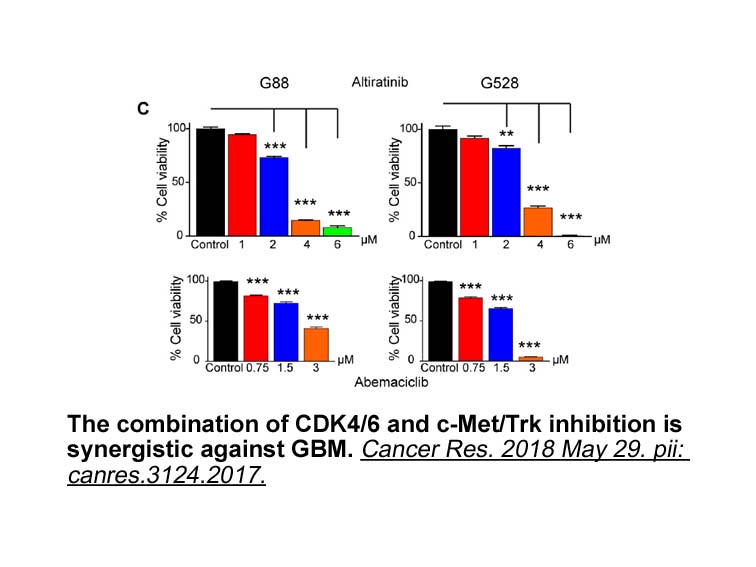
The signal of ferroptosis ROS generated by extracellular or intracellular stimuli play a fundamental role in cell and tissue injury in a variety of disease states [47]. Ferroptosis is generally considered as a type of ROS-dependent regulated necrosis [48]. Intracellular iron accumulation and lipi
8371 records 510/559 page Previous Next First page 上5页 506507508509510 下5页 Last page